

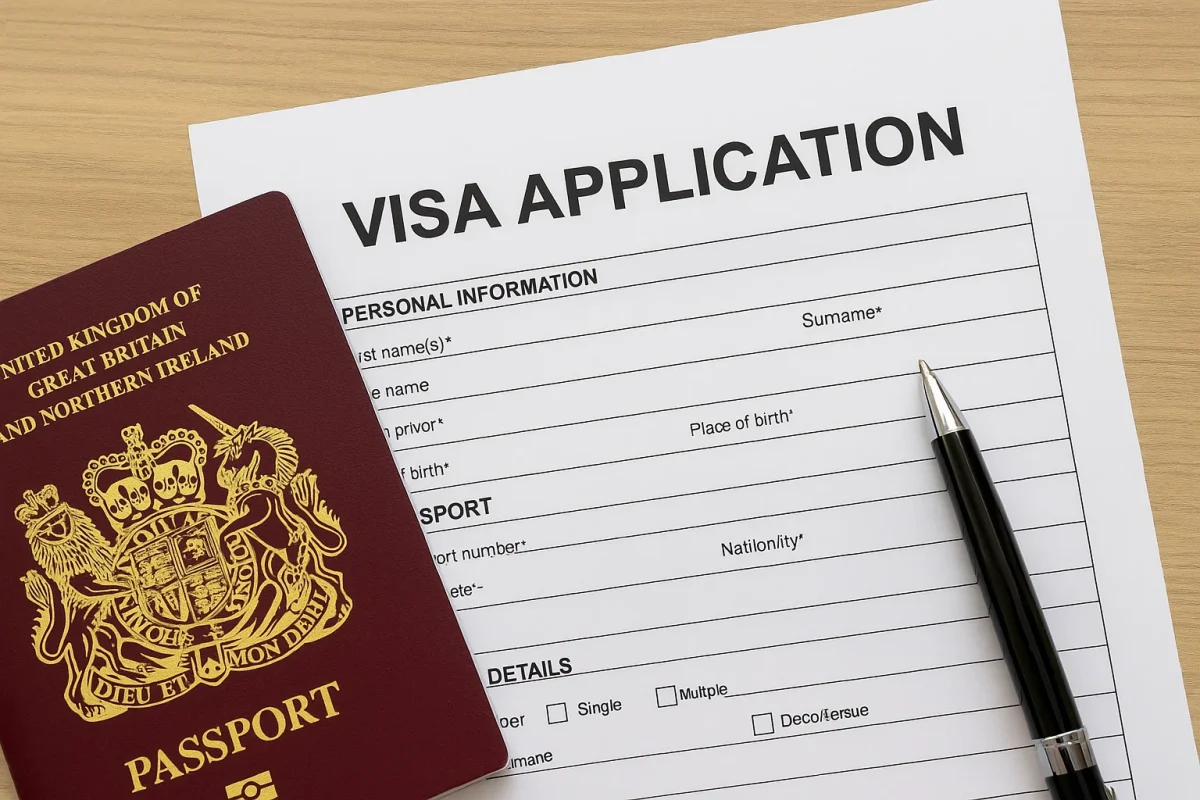
The United Kingdom remains one of the most popular destinations for individuals seeking to live, work, study, or reunite with family. However, navigating the UK visa system can be complex, especially when it comes to understanding the different types of British visas and their eligibility requirements.
At Primus Solicitors Manchester, we provide expert guidance on types of British Visas to individuals and businesses on all UK visa matters. This article explores the major types of British Visas, their requirements, and how you can apply for the one that best suits your situation.
1. Overview of the UK Visa System
The UK immigration system operates under a points-based framework, which assesses applicants based on specific criteria such as skills, income, English proficiency, and sponsorship. The types of British visas are broadly divided into categories such as:
- Work visas
- Family visas
- Study visas
- Visitor visas
- Settlement visas
- Humanitarian and asylum visas
Each types of British Visas has its own purpose, eligibility requirements, and application process. Understanding which visa type applies to your circumstances is essential before applying.
2. Work Visas
a. Skilled Worker Visa
The Skilled Worker Visa allows foreign nationals to work in the UK for an approved employer who holds a sponsorship licence. To qualify, you must:
- Have a confirmed job offer from a UK employer.
- Be paid at or above the general salary threshold (currently £38,700 from April 2025).
- Score enough points based on skills, salary, and English proficiency.
This visa can lead to Indefinite Leave to Remain (ILR) after 5 years.
b. Health and Care Worker Visa
This route is for qualified doctors, nurses, and health professionals coming to work in the NHS or private healthcare. It offers fast-track processing, reduced fees, and exemption from the Immigration Health Surcharge.
c. Temporary Work Visa
Includes several short-term work routes such as:
- Charity Worker
- Creative Worker
- Government Authorised Exchange
- Seasonal Worker
These visas are typically valid for up to 12 months and do not usually lead to settlement.
d. Global Talent Visa
Aimed at highly skilled individuals in fields such as academia, science, digital technology, and arts. Applicants do not need a job offer but must be endorsed by an approved body such as Tech Nation or the British Academy.
3. Family Visas
The UK recognises the importance of family unity, offering several types of British visas for family members of British citizens or settled persons.
a. Spouse or Partner Visa
If you are married to or in a long-term relationship with a British citizen or someone with settled status, you may apply for a UK Spouse Visa. Requirements include:
- Meeting the minimum income threshold (£29,000 from April 2025).
- Providing proof of a genuine relationship.
- Passing an English language test (A1 level or higher).
After 5 years, you can apply for Indefinite Leave to Remain (ILR) and eventually British citizenship.
b. Parent Visa
For parents of British children or those settled in the UK. The applicant must show they are actively involved in the child’s upbringing.
c. Child Visa
Children under 18 can apply to join parents living in the UK, provided financial and accommodation requirements are met.
d. Adult Dependent Relative Visa
For elderly parents or dependent relatives requiring long-term care from a UK-based family member. This route has strict eligibility criteria.
4. Student Visas
a. Student Visa
For international students aged 16 or older who have been offered a place by a licensed UK education provider.
You must demonstrate:
- Sufficient funds to support yourself.
- English language proficiency.
- A valid Confirmation of Acceptance for Studies (CAS).
This visa can lead to the Graduate Route, allowing you to work in the UK after your studies.
b. Child Student Visa
For children aged 4–17 studying at independent schools in the UK.
c. Graduate Route
After completing a UK degree, international graduates can stay for 2 years (3 years for PhD holders) to work or seek employment.
5. Visitor Visas
a. Standard Visitor Visa
For tourism, short business trips, or visiting friends and family. It’s usually valid for up to 6 months.
b. Business Visitor Visa
For attending meetings, conferences, or signing contracts — without engaging in paid work.
c. Marriage Visitor Visa
For individuals planning to marry in the UK but not settle permanently.
6. Settlement Visas
a. Indefinite Leave to Remain (ILR)
After living legally in the UK for a certain period (usually 5 years), you may apply for ILR, granting the right to live and work without restrictions.
b. British Citizenship
Once you hold ILR for 12 months, you may apply for British citizenship through naturalisation. This is often the ultimate goal of many visa holders.
7. Humanitarian Protection and Asylum Visas
These types of British visas apply to individuals fleeing persecution, war, or serious harm in their home countries.
Asylum seekers may apply for protection under the UK Refugee Convention. If successful, they may later apply for Humanitarian Protection or ILR types of British Visas.
8. Business and Investment Visas
a. Innovator Founder Visa
Designed for entrepreneurs establishing innovative businesses in the UK. Requires endorsement from an approved body.
b. Expansion Worker Visa
For overseas businesses seeking to establish a UK branch or subsidiary.
c. High Potential Individual Visa
For graduates from top global universities who wish to work or establish themselves in the UK.
9. Transit and Other Special Visas
The UK also offers transit visas for individuals passing through the UK on their way to another country. Additionally, there are special visas for diplomats, domestic workers, and representatives of overseas businesses.
10. How Primus Solicitors Can Help
Understanding which types of British Visas applies to you and ensuring your application meets Home Office standards can be daunting. At Primus Solicitors Manchester, our experienced immigration solicitors can:
- Assess your eligibility under different types of British visas.
- Help prepare and submit your visa application.
- Provide representation for refusals and appeals.
- Offer legal support for switching or extending visas.
Contact Us – Speak to UK Immigration Experts
If you’re uncertain about which visa to apply for or need legal help with your application, contact our experienced immigration team today to explain types of British Visas.
📞 0161 222 5860
📧 info@ansarhabib.com
📍 First Floor, 402 Palatine Road, Northenden, Manchester, M22 4FZ
At Primus Solicitors, we are here to help you secure your future in the UK.
FAQs About Types of British Visas
1. What is the most common types of British visas?
The Skilled Worker Visa is currently the most common, allowing professionals to work for licensed UK employers.
2. Can I switch visa types within the UK?
Yes, depending on your current visa category, you can often switch from one visa to another (e.g., from Student to Skilled Worker).
3. How long does it take to process a UK visa application?
Most applications are processed within 3–8 weeks, though priority options are available.
4. Can family members join me in the UK on my visa?
Yes, many visas, such as the Skilled Worker or Student Visa, allow dependents to join you in the UK.
5. What happens if my visa is refused?
You may have a right to appeal or administrative review, depending on the reason for refusal. Primus Solicitors can assist with challenging the decision.
